TL;DR:
Spring (especially April and May) is the best time to start an ADU project in Twin Falls. The ground has thawed enough for reliable foundation work, daylight hours are at their longest, lumber supply chains have not yet hit their summer crunch, and the Twin Falls Building Department's permit queue is shorter than during peak summer months. Starting feasibility and design work now keeps your project ahead of the summer backlog, which can mean an October certificate of occupancy instead of a February one. If you're considering an ADU in the Magic Valley, the next six weeks matter more than any other stretch of the year.
If you've been thinking about building an ADU in Twin Falls, ID, there's a good chance you've told yourself you'll "start looking into it" at some point. Maybe after the holidays. Maybe once things slow down. The problem is, the homeowners who actually get their units built on time are the ones who start the process in late winter and break ground in spring, not the ones who call in July wondering why every contractor is booked until October.
April and May are genuinely the best months to start ADU construction in southern Idaho. That's not a sales pitch. It's a reflection of weather patterns, permit office timing, contractor availability, and material lead times that all line up in your favor during those two months. Understanding why can help you make a smarter decision about when to move forward.
Why Spring Timing Works So Well for Magic Valley Builds
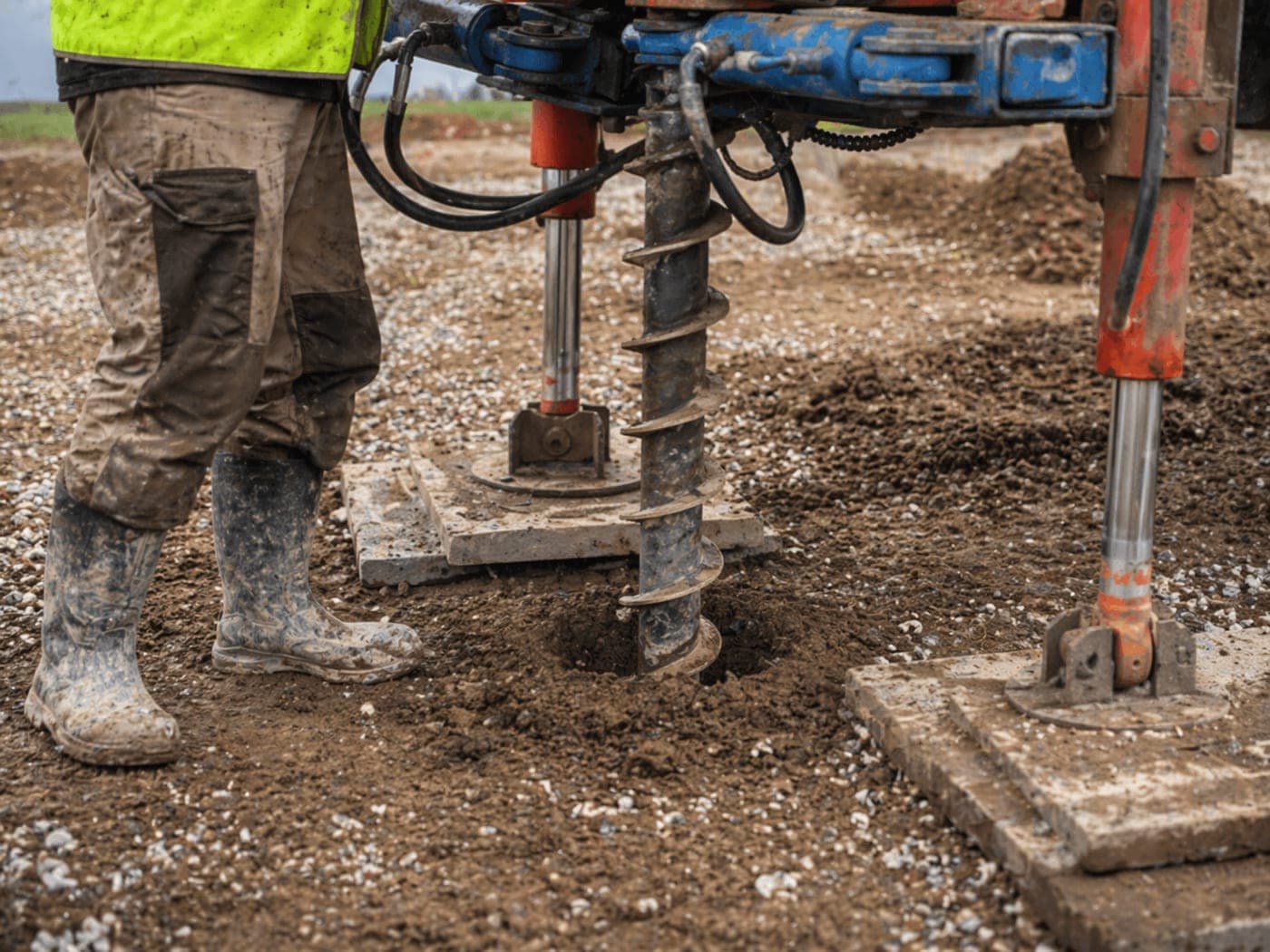
Twin Falls sits at about 3,700 feet elevation, which means winter ground frost and unpredictable late-season storms make excavation and foundation work genuinely risky before mid-March. By April, the ground has typically thawed and stabilized enough for reliable concrete pours and footer work. That matters more than most people realize: a foundation poured in marginal conditions can cause problems that follow a structure for decades.
May extends that window while adding another advantage, longer daylight. With sunsets pushing past 9:00 PM by late May in Twin Falls, skilled crews can log more productive hours per day without the fatigue-driven errors that come with working under artificial light or rushing to beat the dark. More hours means faster progress on your framing, rough plumbing, and electrical rough-in.
There's also a supply chain angle worth considering. Lumber industry reporting consistently shows that material demand and prices climb through spring and peak in summer as construction activity ramps up nationwide. Industry analysts note that demand for lumber often increases during spring and summer months when construction and home improvement projects are at their peak, which drives up prices and can stretch lead times. Ordering your materials in March and early April, ahead of that summer surge, can shave weeks off your timeline and sometimes meaningfully reduce costs.
Permit Timing Is Everything (And Most People Ignore It)
Here's something most homeowners don't know until it's too late. Municipal building departments, including Twin Falls, typically see their permit application volume spike hard in June and July. By the time summer hits, review queues can stretch to six weeks or more. That delay doesn't just push your start date back. It pushes your finish date back, which can affect rental income, family move-in plans, or loan repayment timelines.
When you start your feasibility check and design work in January or February, your permit application lands on the reviewer's desk in March or early April, well ahead of the summer backlog. In our experience at Twin Falls ADU Guys, spring applications move through review noticeably faster than those submitted in peak summer months. That's not a minor difference on a project that typically runs four to six months from permit approval to certificate of occupancy.
The permitting process for an ADU in Twin Falls, ID involves zoning review, site plan approval, and building plan review. Starting your design early gives you time to catch issues before they become expensive change orders or resubmission delays. Getting ahead of this process is the single highest-leverage thing a homeowner can do to protect their timeline.
What Spring Construction Actually Looks Like on the Ground
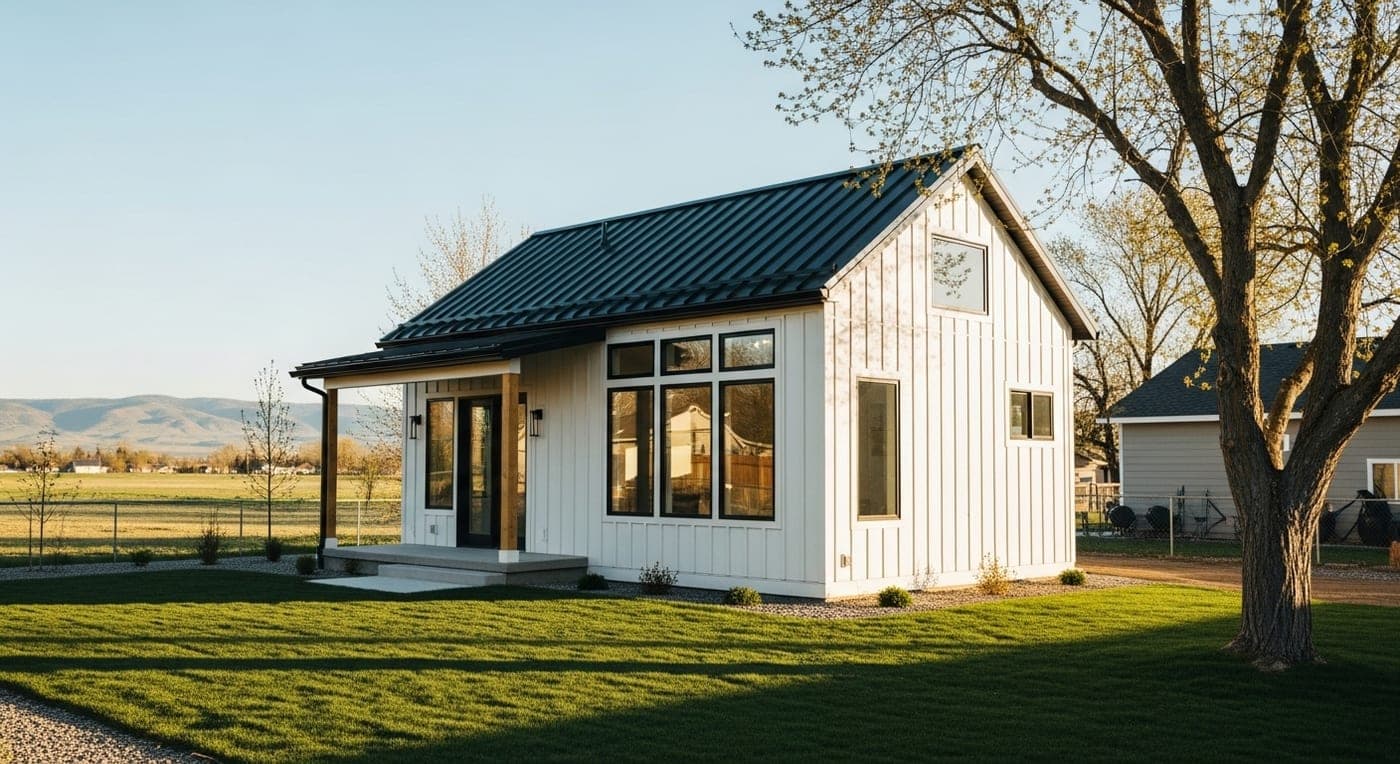
Let's be specific about what a well-timed spring build looks like. If you start your feasibility and design work with us in February, here's a realistic timeline for a 600-square-foot detached ADU in Twin Falls.
February: Feasibility check, lot coverage calculations, utility stub-out review, financing pre-approval.
March: Architectural drawings finalised, permit application submitted.
April: Permit approved (typical for early applicants), site prep and foundation work begin.
May through July: Framing, roofing, rough mechanical and electrical, exterior finishes.
August through September: Interior finishes, inspections, certificate of occupancy.
October: Unit ready to rent or occupy before the holidays.
That same unit, which started in June instead of February, realistically doesn't reach certificate of occupancy until January or February of the following year. You've lost a full rental season and potentially two to three months of mortgage offset income. At current Magic Valley rental rates, a 600-square-foot unit can reasonably rent for $900 to $1,100 per month. That delay represents $1,800 to $3,300 in lost income, minimum.
Spring Financing: Why Lenders Like This Season Too
Construction lending activity has a seasonal rhythm just like contracting does. National housing data published through the Census Bureau and HUD's New Residential Construction report shows that residential construction activity in northern climates reliably increases through spring and peaks in early summer. That means lenders in cold-weather regions typically have their most active construction loan pipelines during the first and second quarters, when staff capacity is strongest and underwriting moves faster.
Starting your financing conversations in February or March gives your loan officer time to properly structure your draw schedule around your actual construction timeline. This matters because construction loans release funds in stages tied to project milestones. A draw schedule that's misaligned with your build calendar can create cash flow gaps that slow your contractor down and cost you money in interest on undrawn funds.
At Twin Falls ADU Guys, we work with homeowners on financing options from the start of the process, not as an afterthought. Whether you're looking at a construction loan, a HELOC, or a renovation loan product, understanding your options before you've committed to a design saves time and prevents painful course corrections later.
Pre-Fab Units: An Even Stronger Case for Spring Delivery
If you're considering a pre-fabricated ADU unit rather than a fully custom stick-built structure, the spring timing argument gets even stronger. Most pre-fab manufacturers operate on eight to sixteen week lead times from order to delivery. If you place your order in February or March, your unit can arrive on a stabilized, permit-approved site in May or June, ready for utility connections and finishing work.
Pre-fab units ordered in June or July typically arrive in fall, which in Twin Falls means you're doing exterior utility work, concrete flatwork, and final grading as temperatures drop. That's not impossible, but it adds complexity and risk that simply doesn't exist with a spring delivery.
We handle dry utilities, site prep, and final connections for pre-fab installs here in Twin Falls, ID, so we can give you an honest read on whether a manufactured unit or a site-built unit makes more sense for your specific lot, budget, and timeline goals.
When Spring Isn't the Right Call
Spring timing helps most homeowners, but not everyone. It makes sense to slow down if any of the following apply:
- Your lot has drainage, grading, or access issues that haven't been resolved.
- You're still deciding between a garage conversion and a new build.
- Your financing isn't pre-approved or your loan type isn't chosen yet.
- You haven't confirmed your property's zoning, setbacks, and coverage limits.
Starting before these questions are answered usually costs more than waiting. A feasibility check in early spring can often identify and resolve these issues in time for a summer start, which still beats waiting until next year.
Frequently Asked Questions
Is it too late to start if it's already April or May?
Not at all. April and May are still within the prime window. If you start your feasibility and design process now, you can realistically break ground before summer and still hit a fall certificate of occupancy for a modestly sized unit. The key is moving quickly on design and permit submission so you stay ahead of the summer review backlog.
How long does an ADU permit take in Twin Falls?
Review timelines vary based on project complexity and the current volume at the building department. For a straightforward detached ADU with complete, well-prepared drawings, review can run two to five weeks in spring. Summer applications can take six to eight weeks or more. This is exactly why submitting early makes such a practical difference.
Do I need to own my property free and clear to finance an ADU build?
No. Most ADU construction financing products work with existing mortgages. Options like a HELOC or a construction-to-permanent loan can be layered on top of your current financing. We help connect homeowners with lenders who understand ADU projects specifically, which makes the process faster and less frustrating than working with a generalist bank.
What size ADU makes the most sense for a typical Twin Falls lot?
It depends on your lot dimensions, setbacks, and coverage limits, which is exactly what a feasibility check sorts out. That said, 400 to 650 square feet tends to be the sweet spot for most single-family lots in the Magic Valley region. Units in that range are cost-effective to build, easy to rent or use as guest quarters, and typically clear zoning requirements without variances.
What does Twin Falls ADU Guys handle, and what do I have to manage myself?
We handle the full process from feasibility through construction, including design, permitting, dry utilities, and for pre-fab units, delivery coordination and site prep. Our goal is to be the one point of contact so you're not trying to coordinate between an architect, a permitting consultant, and a general contractor on your own. Most homeowners find that having one team managing the whole project saves both time and money.
If you're ready to stop researching and start building, reach out to Twin Falls ADU Guys for a no-pressure feasibility conversation. We'll look at your lot, walk you through realistic timelines and costs, and help you figure out whether spring is the right moment to move forward. For most Magic Valley homeowners, it is.
Twin Falls ADU Guys Team
Twin Falls ADU Guys